
Mastering Forex Trading Your Guide to Online Trading Courses

Mastering Forex Trading Your Guide to Online Trading Courses
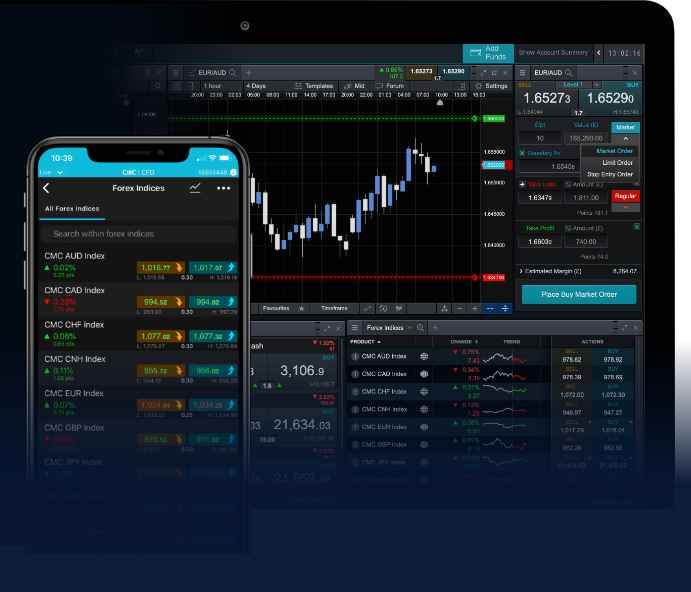
Mastering Forex Trading: Your Guide to Online Trading Courses

In today’s fast-paced financial landscape, mastering the art of Forex trading has become a sought-after skill for many aspiring traders. With the advent of online platforms, learning how to navigate the complexities of currency markets has never been easier. Enrolling in a comprehensive online forex trading course Best Kuwaiti Brokers online Forex trading course can put you on the path to success, equipping you with the knowledge, skills, and strategies necessary to thrive in this competitive arena.

Understanding Forex Trading

Forex trading, or foreign exchange trading, involves buying and selling currencies in a global marketplace. It’s a decentralized market, meaning trades happen over-the-counter rather than on centralized exchanges. The Forex market is the largest financial market in the world, with trillions of dollars traded daily. Participants include governments, institutions, corporations, and individual traders.

The Benefits of Online Forex Trading Courses

Enrolling in an online Forex trading course has numerous benefits. Here are a few:

  • Flexibility: Study at your own pace and convenience.
  • Access to Resources: Learn from experienced traders and gain access to various trading tools.
  • Networking Opportunities: Connect with fellow learners and professionals in the Forex community.
  • Updated Information: Stay current with the latest market trends and strategies.

Mastering Forex Trading Your Guide to Online Trading Courses

What to Look for in a Forex Trading Course

Choosing the right online Forex trading course is crucial for your learning journey. Consider the following factors:

  • Course Content: Ensure it covers the essentials of Forex trading, including technical and fundamental analysis, risk management, and trading psychology.
  • Trainers’ Experience: Research the instructors and their backgrounds to ensure they have substantial experience in Forex trading.
  • Student Reviews: Check testimonials and reviews from previous students to gauge the effectiveness of the course.
  • Cost: Consider your budget and compare the costs of different courses. Remember, a higher price doesn’t always guarantee better quality.

Essential Topics Covered in Forex Courses

While the curriculum may vary between courses, most comprehensive online Forex trading courses will cover the following essential topics:

  • Forex Market Mechanics: Understanding how the market operates, including market hours and currency pairs.
  • Chart Analysis: Learning to read and interpret charts to make informed trading decisions.
  • Indicator Usage: Familiarization with technical indicators that aid in predicting price movements.
  • Trading Strategy Development: Crafting and testing your own trading strategies based on your risk tolerance and market analysis.
  • Risk Management: Learning how to manage your risk effectively to protect your capital.

The Importance of Practice

One of the key advantages of online Forex courses is the availability of demo accounts. These accounts allow you to practice trading without risking real money. This hands-on experience is invaluable as it helps you to:

Mastering Forex Trading Your Guide to Online Trading Courses
  • Apply theoretical knowledge in real-time.
  • Understand trading platforms and tools.
  • Refine your trading strategies without financial pressure.

Choosing the Best Online Forex Trading Course

Begin your search for the right course by researching platforms that specialize in Forex education. Some popular platforms include:

  • Udemy: Offers a wide range of Forex courses at various levels.
  • Coursera: Partners with established universities to provide accredited courses.
  • Forex Academy: Dedicated to Forex education with structured courses and mentorship.

Be sure to compare course features, durations, and student support before making a decision.

Final Thoughts

Starting your journey in Forex trading can be daunting, but with the right online course, you can gain the knowledge and skills necessary to navigate the market confidently. By investing in your education and learning from experienced traders, you will increase your chances of success in this exciting financial niche. Remember, consistent practice and a commitment to continuous learning are key to becoming a successful Forex trader.

In conclusion, an online Forex trading course not only provides you with essential skills and knowledge but also helps you to connect with a community of traders. Whether you are a complete novice or seeking to sharpen your skills, finding the right course can significantly impact your trading journey. Take your time to research and choose wisely, as the right education will pave the way for your future success in the Forex market.


Mastering Forex Trading Your Ultimate Guide to Success 1771775063

Mastering Forex Trading Your Ultimate Guide to Success 1771775063

Mastering Forex Trading: Your Ultimate Guide

Forex trading has become one of the most popular forms of investment in the financial markets. With its accessibility and the potential for high returns, it has attracted millions of traders around the globe. Whether you are a complete beginner or an experienced trader, understanding the nuances of Forex trading is essential to your success. This article aims to provide you with a comprehensive overview of Forex trading, its key concepts, strategies, and how to get started. Be sure to check out this excellent platform for further tools and resources: forex trading website https://kuwait-tradingplatform.com/.

What is Forex Trading?

Forex, short for foreign exchange, is the market where currencies are traded. It is a decentralized market, meaning that there is no central exchange or physical location where transactions occur. Instead, Forex trading takes place over-the-counter (OTC), using a network of banks, brokers, and individual traders. This market is open 24 hours a day, five days a week, making it accessible for traders worldwide.

How Does Forex Trading Work?

In Forex trading, currencies are traded in pairs. This means you are simultaneously buying one currency and selling another. Each currency pair has its own price that reflects the valuation of one currency against the other. For example, if you are trading the EUR/USD pair, you are buying euros and selling US dollars. Forex traders aim to profit from the fluctuations in currency values.

Understanding Currency Pairs

Currency pairs are categorized into three main types: major pairs, minor pairs, and exotic pairs. Major pairs include the most widely traded currencies, such as the US dollar, euro, and Japanese yen. Minor pairs involve currencies that are less commonly traded but still significant, like the Australian dollar or Canadian dollar. Exotic pairs include a major currency paired with a smaller, emerging market currency.

Key Concepts in Forex Trading

1. Leverage

One of the attractive aspects of Forex trading is the ability to use leverage. Leverage allows traders to control a larger position size than their initial investment. For example, with a 100:1 leverage ratio, a trader can control a position of $100,000 with just $1,000. While leverage amplifies potential profits, it also increases risk, making it crucial for traders to manage their risk effectively.

2. Pips and Spreads

A pip is the smallest price movement in a currency pair and is typically equal to 0.0001 for most pairs. Traders use pips to measure price changes and calculate profits or losses. The spread is the difference between the bid price and the ask price of a currency pair. Understanding pips and spreads is essential for effective forex trading.

3. Technical and Fundamental Analysis

Successful Forex trading relies on two main types of analysis: technical and fundamental. Technical analysis involves studying price charts and using various indicators to predict future price movements. Fundamental analysis, on the other hand, focuses on economic news, events, and data releases that can impact currency values. A combination of both analyses can provide traders with a well-rounded view of the market.

Mastering Forex Trading Your Ultimate Guide to Success 1771775063

Developing a Trading Strategy

Having a solid trading strategy is essential for long-term success in Forex trading. Here are a few key steps to develop your strategy:

  1. Define Your Trading Goals: Determine what you want to achieve through your trading activities. Are you looking for short-term profits or long-term investments?
  2. Choose a Trading Style: Different traders prefer different styles, such as day trading, swing trading, or position trading. Choose a style that suits your personality and risk tolerance.
  3. Implement Risk Management Techniques: Always use risk management tools, such as stop-loss orders, to protect your capital. Limiting your risk exposure is crucial in Forex trading.
  4. Continuously Learn and Adapt: The FX market is constantly changing, and so should your strategies. Stay updated on market trends and be ready to adapt your approach accordingly.

Choosing a Forex Broker

Selecting the right Forex broker is vital for your trading success. Here are some factors to consider when choosing a broker:

  • Regulation: Ensure your broker is regulated by a reputable financial authority. This provides a level of security for your funds.
  • Trading Platforms: Look for a broker that offers a user-friendly trading platform with robust features and tools.
  • Spreads and Commissions: Compare the costs associated with trading with different brokers, including spreads and commissions.
  • Customer Support: Reliable customer support can make a significant difference in your trading experience.

Forex Trading Strategies

Various strategies can be employed by Forex traders to increase their chances of success. Here are a few popular strategies:

1. Scalping

Scalping is a short-term trading strategy where traders aim to make small profits from rapid price movements. This requires quick decision-making and execution of trades.

2. Day Trading

Day trading involves opening and closing positions within the same trading day to capitalize on short-term price fluctuations. Day traders typically do not hold positions overnight.

3. Swing Trading

Swing traders aim to capture price swings by holding positions for several days to weeks. This strategy requires a balance between technical and fundamental analysis.

Final Thoughts

Forex trading offers tremendous opportunities for individuals looking to participate in the global financial markets. However, it is important to approach it with a clear understanding of the risks involved, as well as a well-defined trading strategy. Continuous education, analysis, and risk management will enhance your ability to succeed in this dynamic environment. By utilizing the right tools and resources, you can navigate the Forex market and work towards your trading goals effectively.